
Weighing Systems CRL PRESS LOAD
Download PDF datasheet
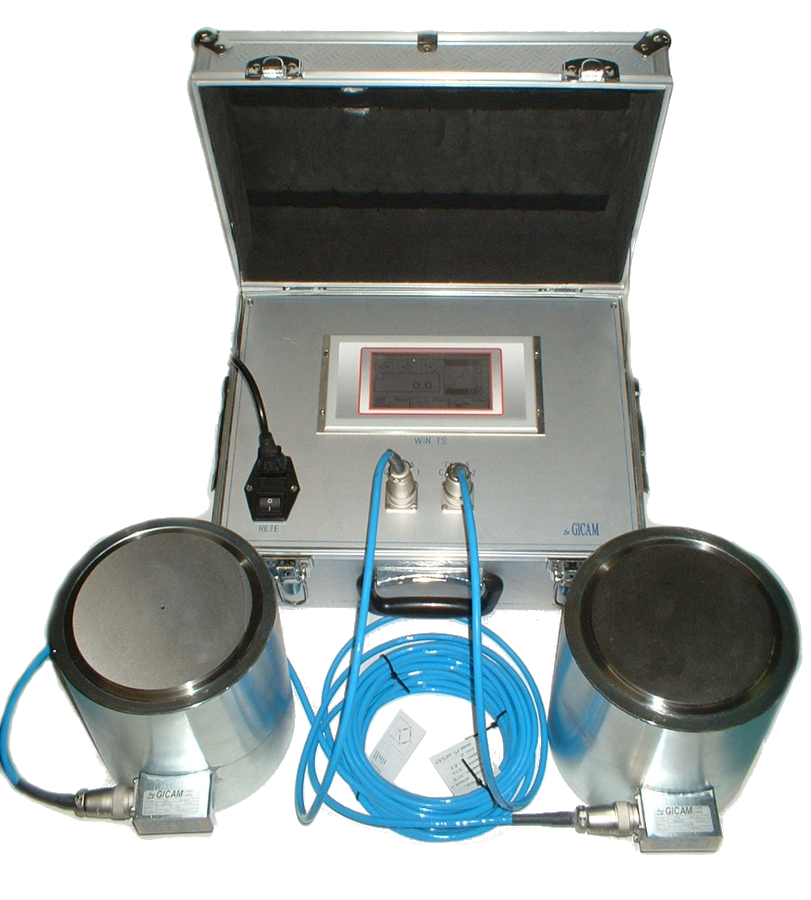
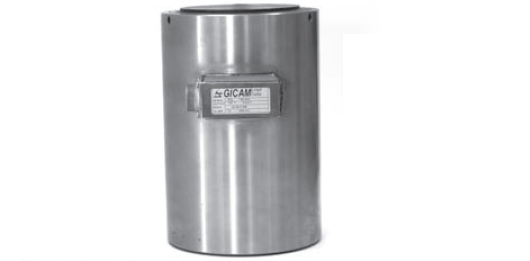
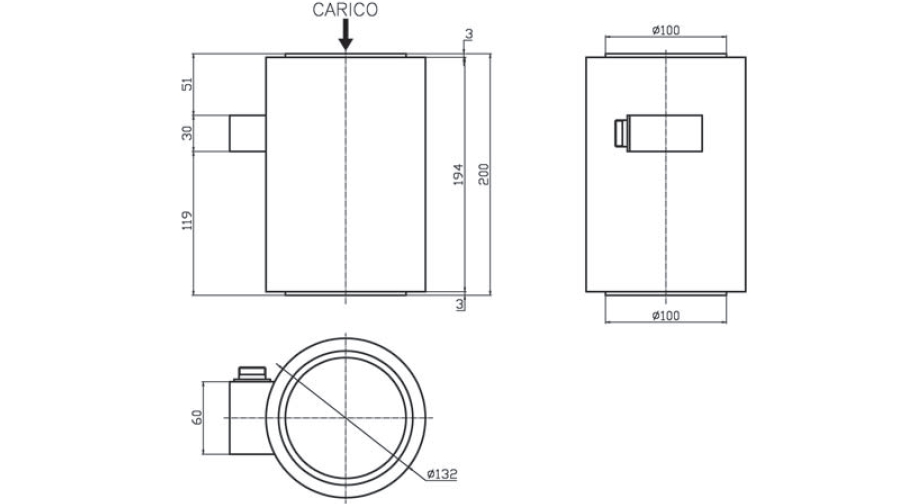
The system consists of a weight indicator TOUCH SCREEN WIN TS that allows you to power and read load cell, column model COL1 compression load cell, with capacities up to 20000 kN.
This control system is ideal to be used in the most modern systems for applications such as sledge hammers, presses, test benches and automation in general, allowing to detect the peak value at a frequency of 2 kHz. The system can be modular with 1/2/3 load cells with dedicated capacities for the application.
Click on the image to enlarge
Technical specifications
| Power supply | 220V |
|---|---|
| Operating temperature | -10 / +50 °C (14 / 122 °F) |
| Storage temperature | -20 / +60°C (-4 / +140°F) |
| Display | LCD 5.2 "(visible area 118 x 58 mm) monochromatic high contrast |
| Display brightness | White LEDs, adjustable intensity |
| Touch screen | Resistive 4 wires, suitable for use with gloves, buzzer |
| Protection level | IP 65 |
| Weight acquisition frequency | 2000 Hz |
| Load cells material | Stainless steel |
| Load cells capacity | 50, 100, 200, 300 t |
| Briefcase overall dimensions | 400 x 300 x 200 mm / 15.7 x 11.8 x 7.9 in |
| Briefcase weight | 5 kg / 11 lbs |
| Connection cable | 5 / 10 m – 6 x 0,30 (shield not connected to the load cell body) |
For complete and up-to-date technical specifications please refer to the datasheet you can download here
Download PDF datasheet Load cell mounting
General guidelines for installing and mounting load cells:
- Respect the direction in which forces are applied to the load cells
- Do not exceed the temperature limits shown on the rating plate
- Do not remove the labels from the cells
- Protect cables properly with sheaths or cable ducts
- Connect each cell to earth with a suitable cable, bridging the plates of the mounting accessories if necessary
- Do not weld on the mechanical structure once the cells are in place
- Avoid or minimise mechanical constraints between the fixed structure and the weighed structure, to prevent weighing errors and zero return problems
- When vibrations or dynamic loads are present, protect the cells with anti-vibration mounts
- Protect the cells from dust build-up with suitable covers